About
EcoSwell is an environmental organisation focused on implementing sustainable solutions to conserve and restore ecosystems in coastal areas, particularly in Peru. They aim to achieve their goals through a multi-faceted approach that integrates scientific research, community engagement, and innovative conservation practices, through working closely with local communities, governments, and other stakeholders. By promoting environmental education and sustainable livelihoods, EcoSwell seeks to empower communities to become stewards of their natural resources and protect biodiversity for future generations. Through their initiatives, EcoSwell endeavours to create a more resilient and sustainable future for coastal ecosystems and the communities that depend on them.
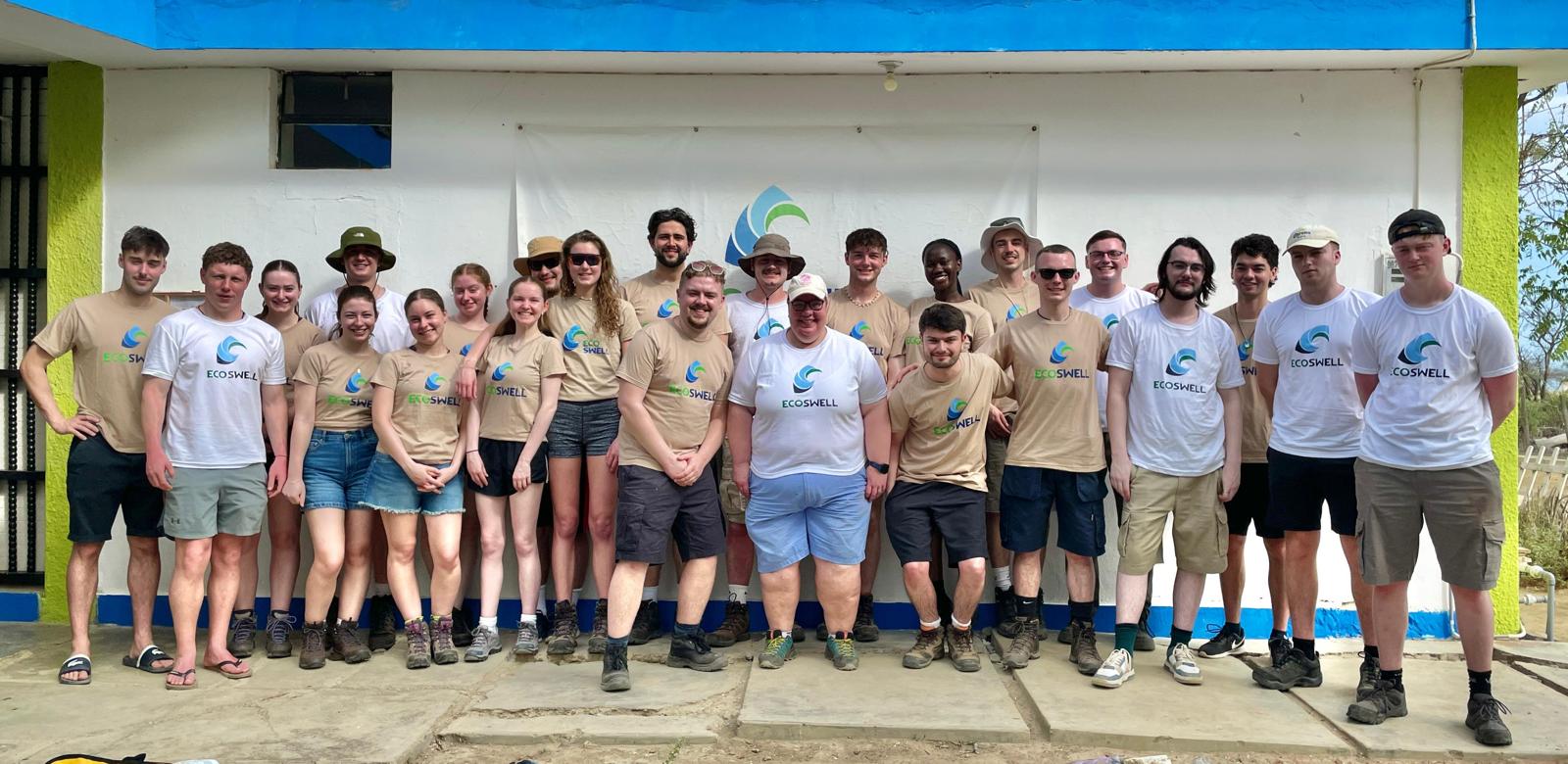
Click here to learn more about them. Together, we embarked on projects aimed at addressing critical needs, from improving infrastructure to fostering environmental stewardship.
A profound expression of gratitude is extended to EcoSwell, Newcastle University, and my esteemed module leader, Jean Hall, for giving me the invaluable opportunity to engage in this enriching experience. Their unwavering support and guidance have been instrumental in facilitating my involvement in this initiative, propelling me towards newfound insights and professional growth.
The Project
In Lobitos, a significant portion of the community relies on electricity to operate essential appliances like refrigerators, fans, lighting, and sometimes televisions. Despite these needs, residents face the dual challenges of high energy costs—consuming about 15-20% of their disposable income—and frequent power outages, which disrupt daily life.
However, the situation is even more precarious for the lower-income families in Lobitos. Some of these households lack direct access to electricity, resorting to makeshift solutions such as unauthorised connections from neighbours. This project aims to focus on these vulnerable families, providing them with the means to achieve energy resilience and independence. This initiative is a step towards ensuring that all residents of Lobitos can lead more secure and sustainable lives.
Our project in Lobitos tackles the energy challenges by implementing two key tasks: installing solar panels and constructing cookstove ovens for families. By setting up solar panels, we provide a reliable and renewable source of electricity that can mitigate the impact of frequent power cuts and reduce dependency on the expensive local grid. The cookstove ovens offer a sustainable alternative to traditional cooking methods, which often rely on inefficient and polluting fuels. This approach not only ensures access to clean cooking technologies but also improves indoor air quality and overall health.
This initiative aligns with several Institution of Civil Engineers (ICE) attributes and the United Nations Sustainable Development Goals (SDGs). By enhancing access to affordable and clean energy (SDG 7), and promoting good health and well-being through cleaner cooking solutions (SDG 3), our project addresses crucial global challenges. Furthermore, it embodies the ICE attributes of sustainable development and ethical responsibility by integrating environmentally friendly technologies and focusing on the needs of the most vulnerable families. This project demonstrates how engineering solutions can create significant, positive impacts on both a local and global scale.