
Global Engineering: Peru 2024

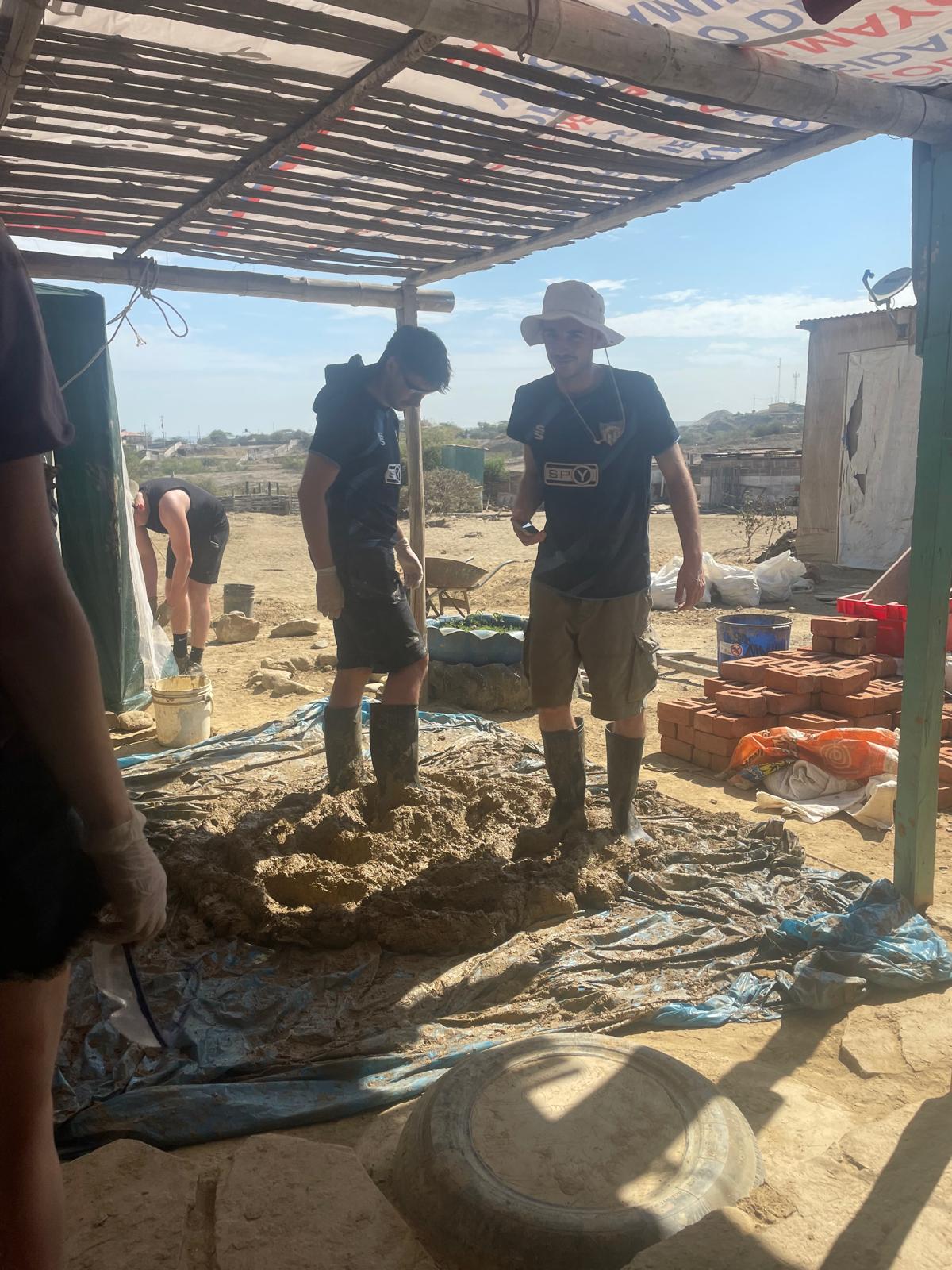
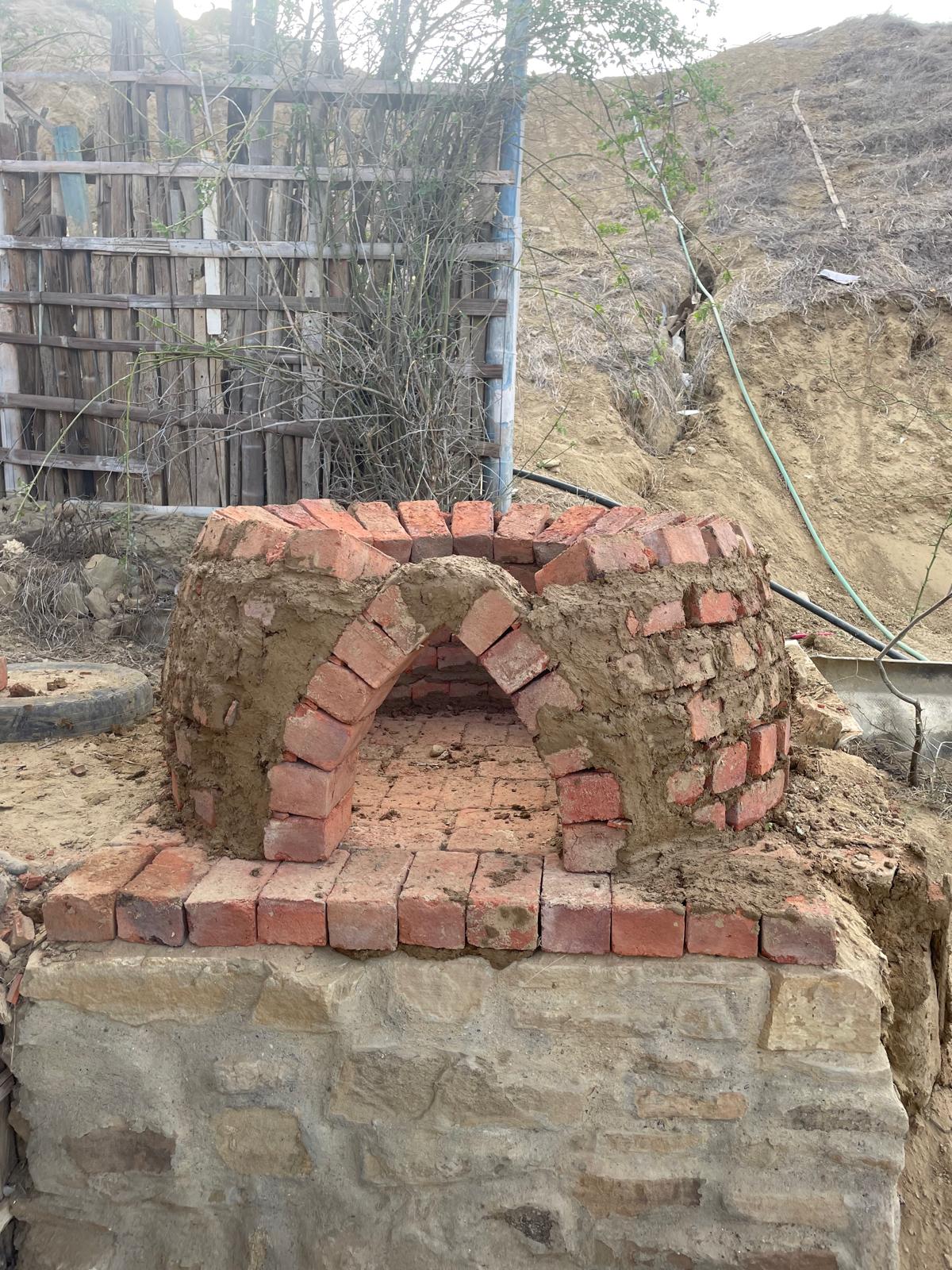

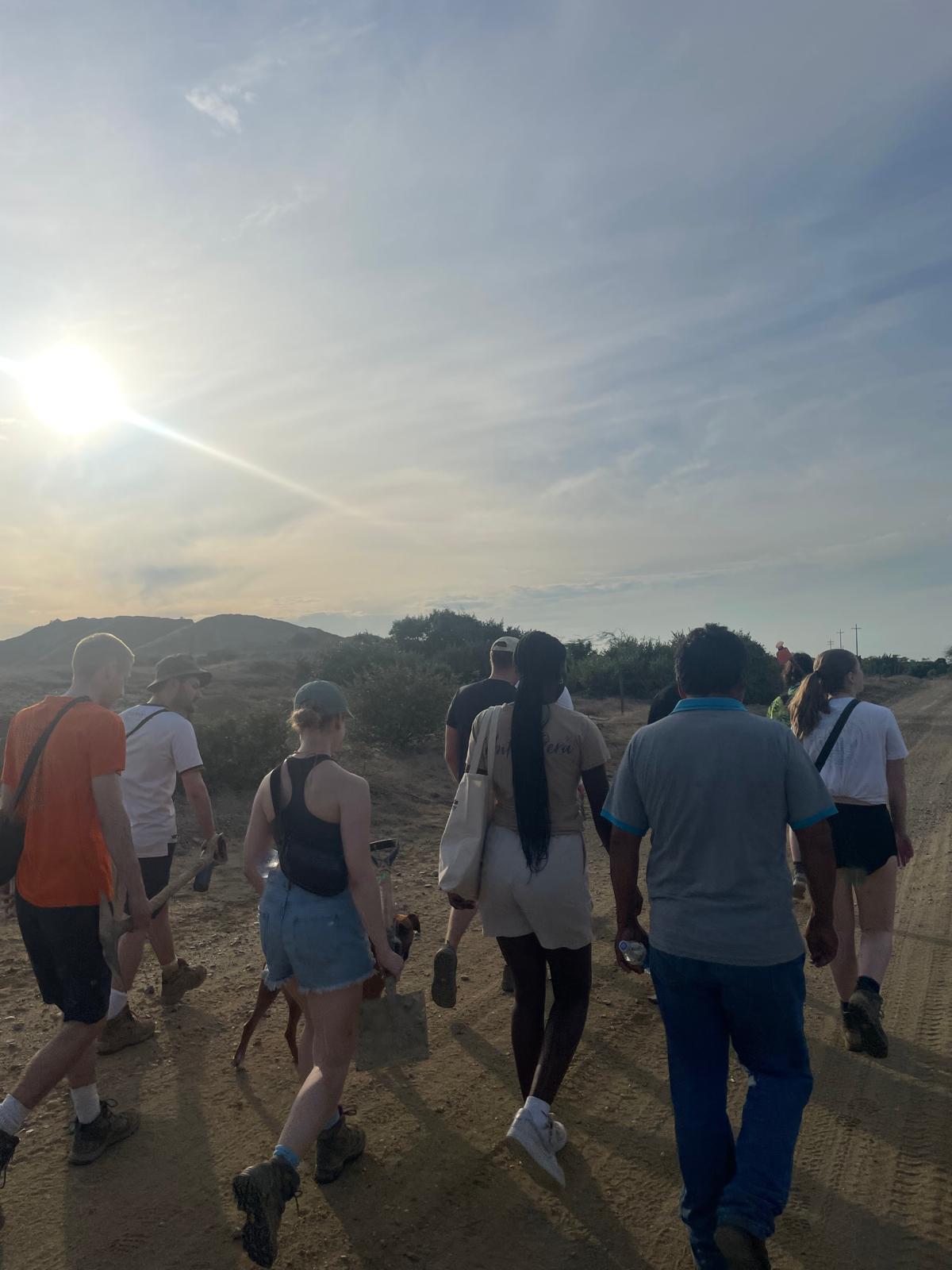
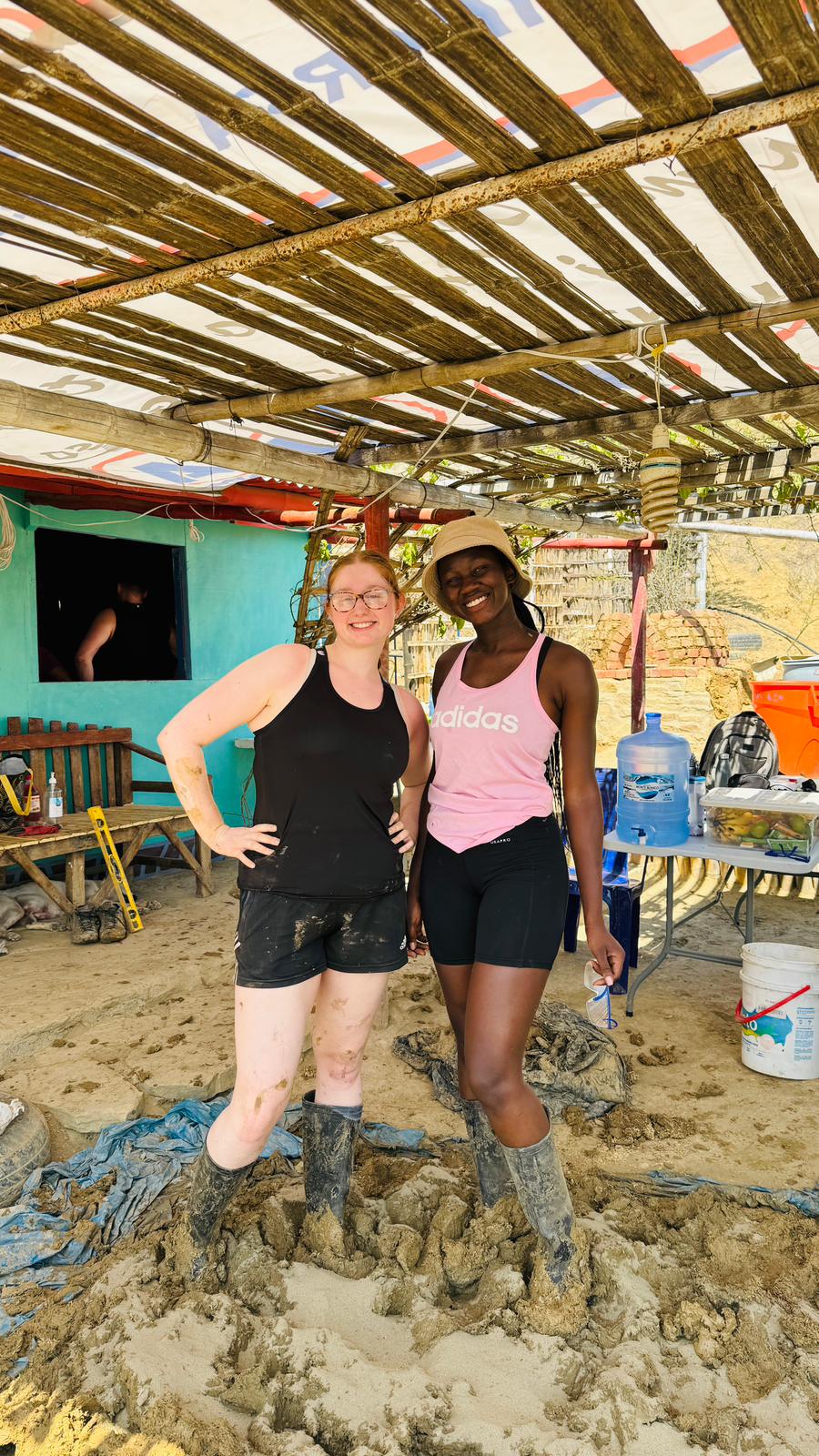
Our team's first inaugural task was to construct a cookstove oven for a local family. This task required a blend of preparation, teamwork, and hands-on workmanship. We were taught by Cesar (A.K.A the clay master) the correct technique and what steps we needed to follow to create the best cookstove oven.
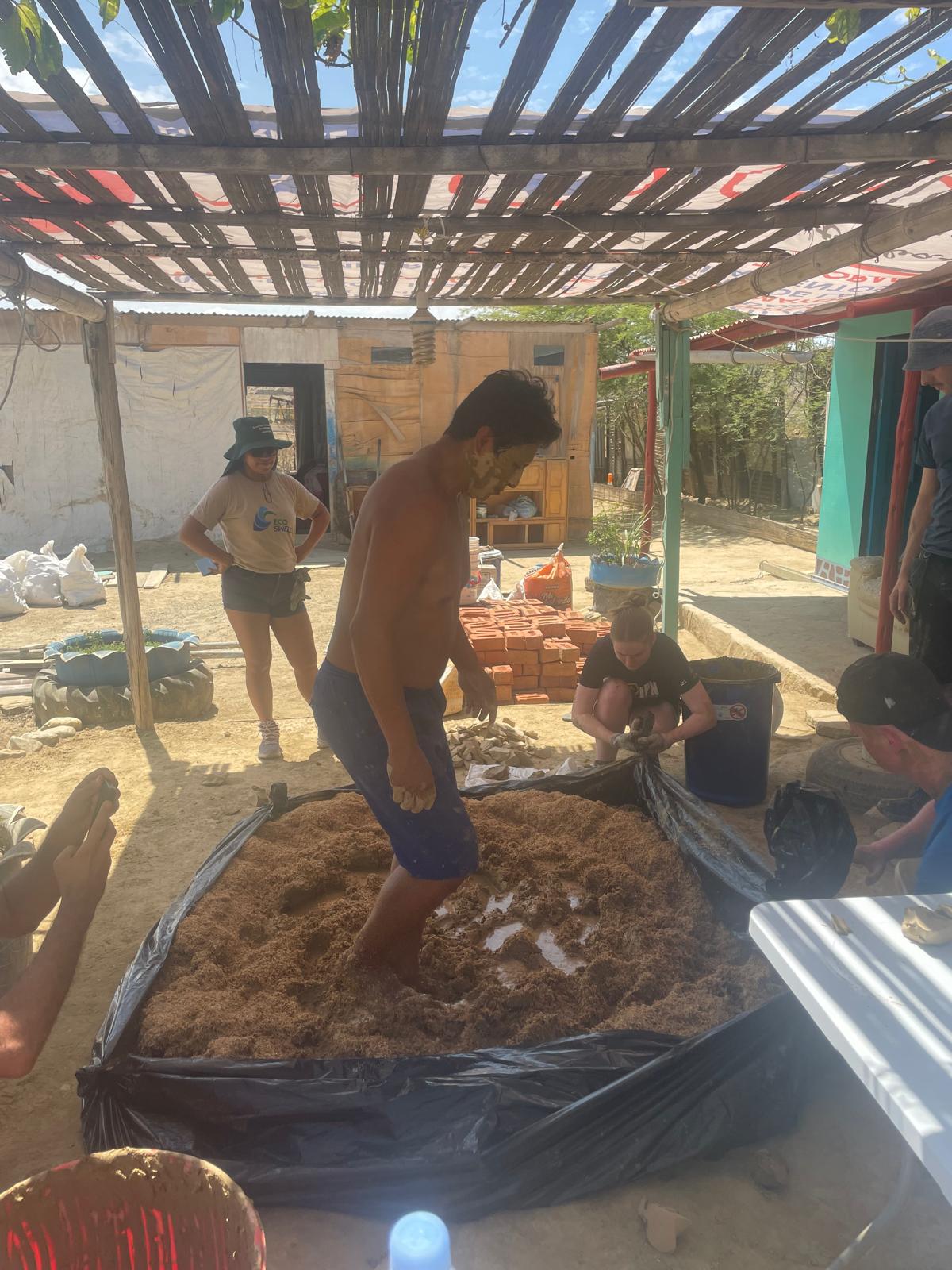
The process began with gathering materials, a unique mixture including horse manure, clay, and rice husk. To create a mortar that was called "Barro". We combined these materials with water, employing a rather unconventional technique - stomping on them! It was messy, to say the least, but it allowed us to thoroughly blend the materials. This technique was fun and got everyone involved, especially with some music on! This task was completed every morning of the working day, so the clay could be used later in the day.
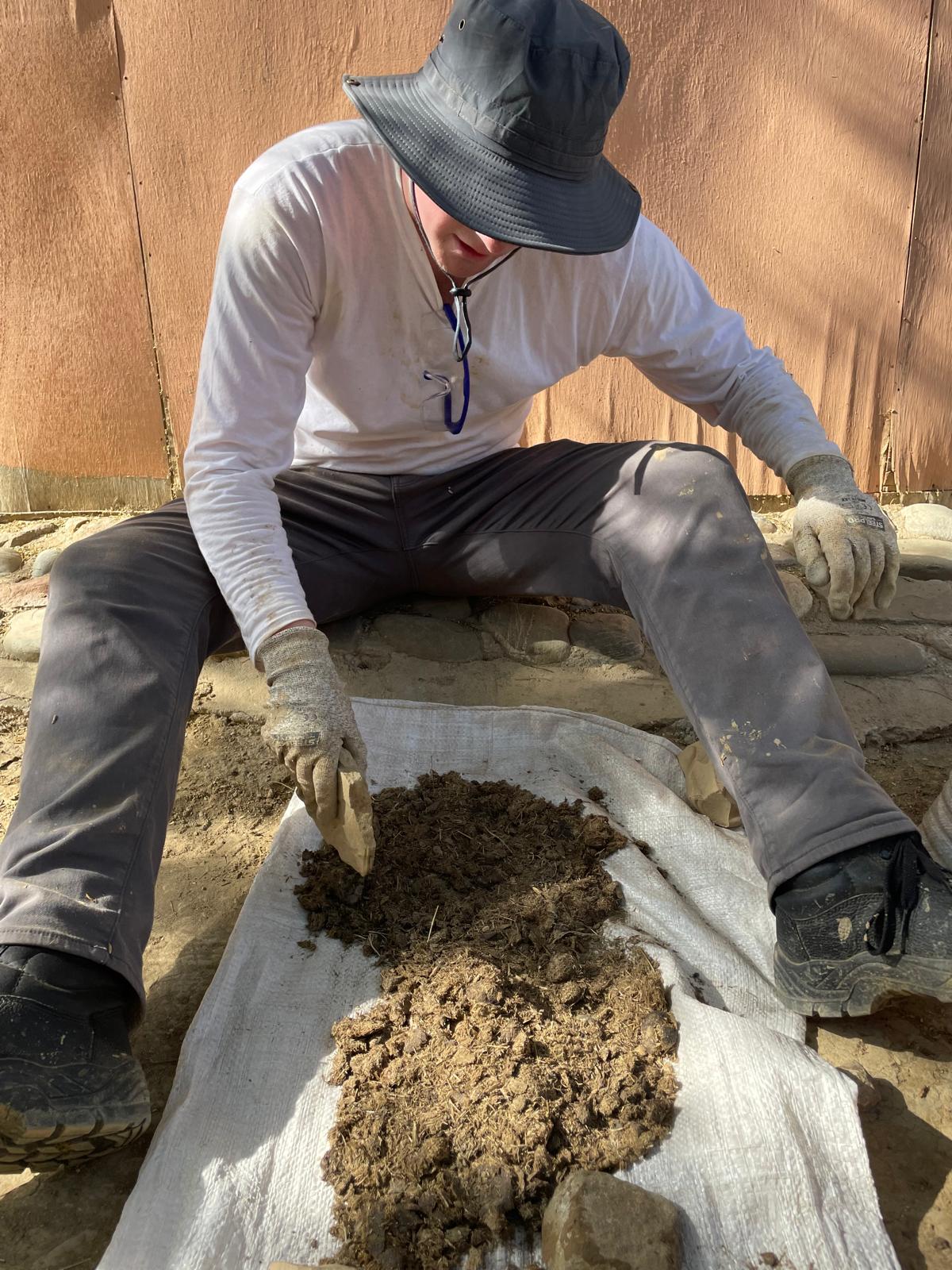
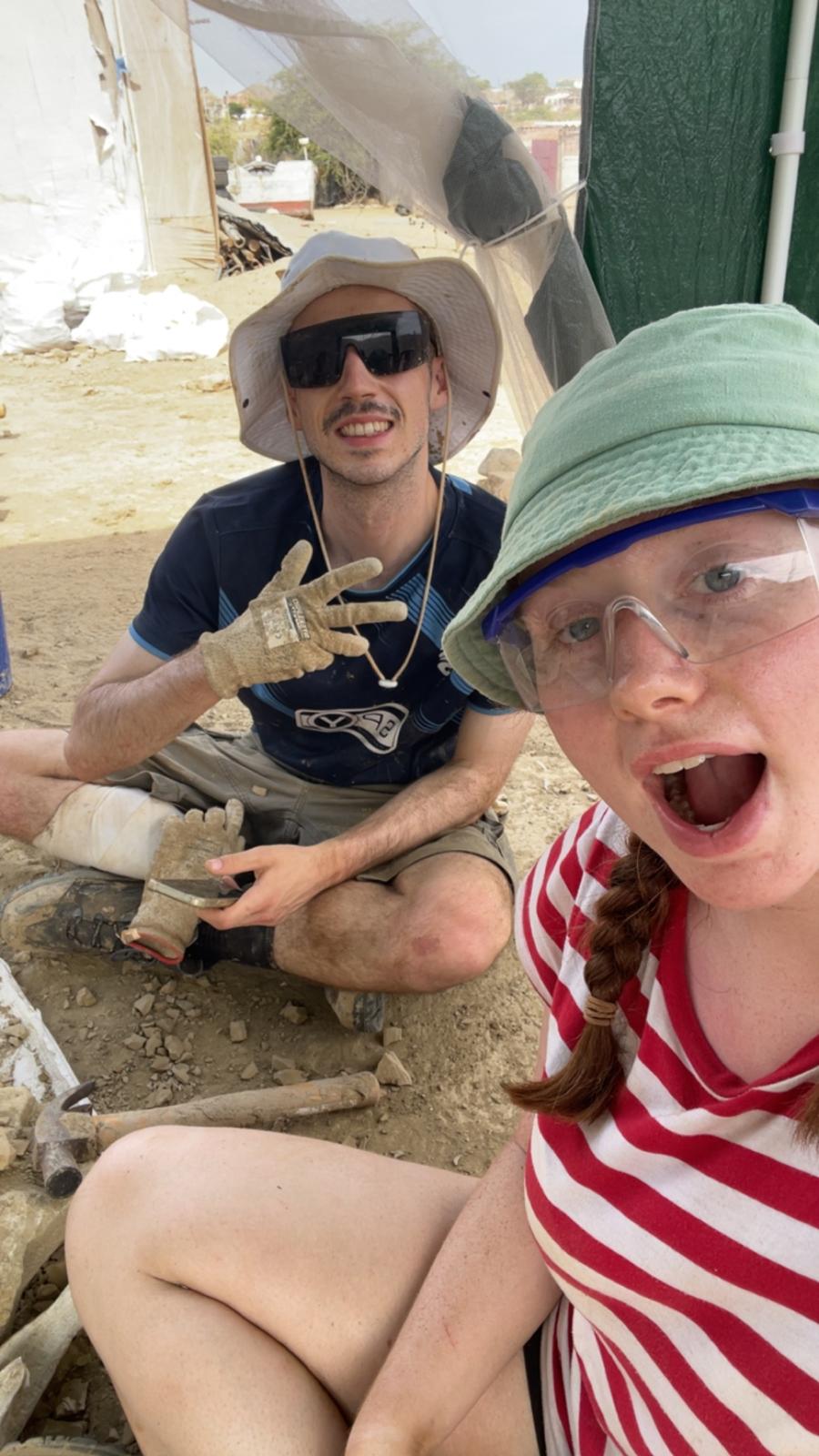
In the afternoons, we dedicated our time to preparing the materials needed for the following day's tasks. This encompassed several activities, including breaking down horse manure, smashing clay into smaller fragments, filling containers with water, and filtering out larger pieces of clay in the barro. As a team, we rotated through these responsibilities, allowing everyone to gain hands-on experience with each task. Among these duties, my personal favourite was smashing the clay. I found satisfaction in the physical process of breaking down the clay into smaller pieces. This task not only allowed me to engage physically but also provided a sense of accomplishment as we prepared the materials essential for our upcoming projects. Once all of the materials were prepared, they were mixed together and left to settle overnight in large containers, and . This served as both mortar for the bricklaying of the oven and plaster to go around the walls of the kitchen room to shield from the heat.
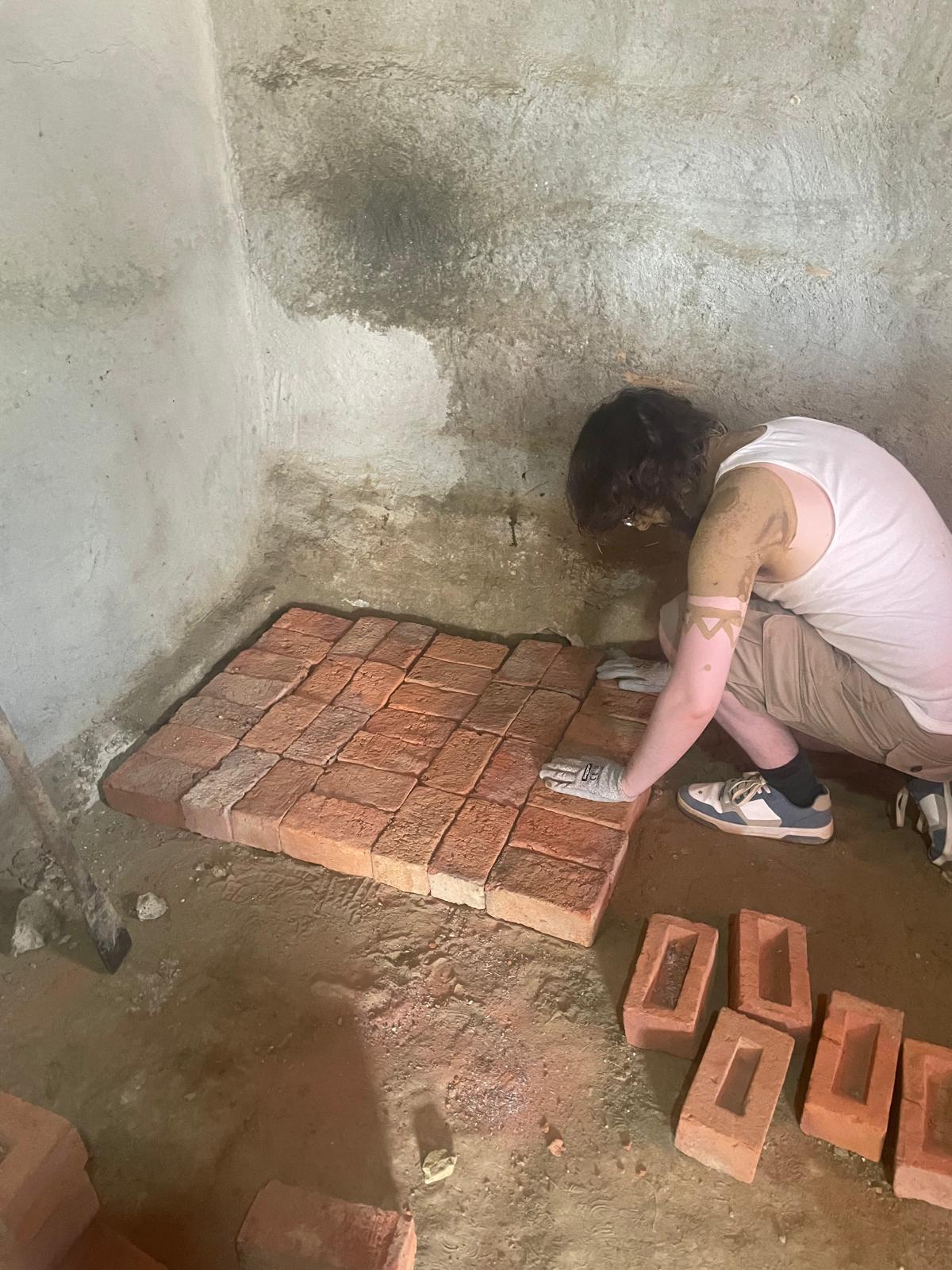
The bricklaying process involved meticulously positioning each brick and then using the barro to bind them together. This task tested my precision skills, as the bricks had to be carefully aligned and levelled to ensure the proper functioning of the oven. Any deviation from the correct alignment could compromise the integrity of the structure and affect its efficiency. Therefore, achieving precise placement and alignment of the bricks was paramount to the success of the project for the family's needs. Alongside the bricklaying for the two cookstove ovens, we had the task of using the barro to plaster the walls. We applied the barro onto the walls by using the ball of our hands, smoothly swiping upwards to ensure an even distribution. Subsequently, we utilised a wet taping knife to further refine the surface, meticulously smoothing out any imperfections. This meticulous process not only reinforced the durability and stability of the walls but also enhanced the visual aesthetics of the kitchen, showcasing our dedication to precision and attention to detail. This same process had to be done on the outside of the ovens, to ensure a smooth finish. We also were able to decorate the oven with our designs, so I decided to create a sketch of a sun, finding it particularly fitting for the Lobitos area.
The final step in finishing the oven involved addressing any cracks in the barro of both the oven and walls, a crucial aspect for ensuring their durability and functionality. To accomplish this, we applied a layer of leftover barro, meticulously covering and smoothing over the cracks to achieve a seamless finish. This process also entailed preparing a small batch of new barro to supplement the existing material. Once the repairs were complete, we eagerly conducted a test to evaluate the oven's performance, ensuring it met our standards of quality and functionality. The oven underwent testing by the family, who cooked both duck and rice for us as a thank-you gesture. Seeing the oven in use filled me with immense gratification. Witnessing the family utilise the oven to prepare a meal, especially as a gesture of gratitude towards our team, left me with a profound sense of accomplishment.